

|
The recently passed One Big Beautiful Bill Act (OBBBA) is a massive piece of legislation that impacts practically every area of public policy and governance, including taxes, healthcare, education, immigration, energy, and estate law. (For you policy wonks, here’s a link to all 1,000+ pages of the bill: H.R.1 – 119th Congress (2025-2026): One Big Beautiful Bill Act | Congress.gov | Library of Congress.) We’ve studied the OBBBA and answered the 13 key questions that we believe will be among the most meaningful to you, your family, and your finances. Whether you’re retired, approaching retirement, running a business, or stewarding multi-generational wealth, the OBBBA presents an important opportunity to re-evaluate strategies pertaining to tax withholdings, education funding, long-term care planning, and legacy strategies. First up: The elements of the bill that may impact your income. 1. Were the 2017 income tax cuts made permanent? Yes. Why it matters: Without this extension, many households – especially dual-income families and retirees who are taking retirement account distributions – would have seen a noticeable rise in their tax liability. (For example, a married couple earning $200,000 annually will continue to save around $6,000 per year, or $500 per month, under the existing tax structure.) 1 2. Is Social Security now truly tax-free? Not exactly… While Social Security benefits won’t technically be tax-free, the OBBBA will protect all or most of the income, making them feel that way (at least until 2028) for many retirees, especially those with moderate incomes (under $150,000 for couples and $75,000 for individuals). Here’s how this will work: 15% of Social Security income is always tax free, so that hasn’t changed. But the OBBBA stipulates that, beginning in 2025, the standard deduction will increase by $1,000 for individuals and $2,000 for married couples filing jointly. Additionally, retirees aged 65+ will receive another deduction of $6,000 per person – and up to $12,000 for a married couple. (This is only guaranteed through 2028.) For a dual-income household earning just under $150,000 ($75,000 for individuals) annually from RMDs, Social Security, and, say, a pension, this could translate to approximately $2,700 in annual tax savings – or about $225 per month. Earn more than the $75,000/$150,000 thresholds, and the benefit begins to phase out. Important Note for Californians: 3. Did we eliminate taxes on overtime and tips? Sort of… From 2025 through 2028, individuals can deduct up to $12,500 of overtime income from their taxable income (or $25,000 if married and filing jointly). Tips, on the other hand, can be deducted up to a limit of $25,000 per filer. To qualify for the full deduction, your modified adjusted gross income (MAGI) must be under $150,000 for individuals or $300,000 for joint filers, with the benefit phasing out entirely at $200,000 and $400,000, respectively. For those who qualify, it can reduce federal taxes by $2,000 to $6,000 annually, offering a meaningful incentive to earn more without pushing you into a higher tax bracket. 3 4. How does the new auto loan interest deduction work? The OBBBA introduced a new above-the-line deduction for up to $10,000 of interest paid on eligible auto loans—available through 2028. Who & What Qualifies?
Phase Out for Higher-Income Taxpayers
Estimated Savings
5. Is there an increase to the Child Tax Credit? Yes, there is a slight increase. Beginning in 2025, the Child Tax Credit (CTC) receives a modest but meaningful increase of $200 per child, raising the maximum credit from $2,000 to $2,200. This credit remains fully refundable, and future amounts will be adjusted annually for inflation. Eligibility Details:
(As the team at ProsperPlan has welcomed two babies just this year (including my second daughter), I’m well reminded that this benefit seems a bit modest in comparison to the actual expenses associated with having a child.) Are there any other ways to save money on childcare in the OBBBA? Yes. The Dependent Care FSA maximum contribution limit has been increased to $7,500. The limit was previously set at $5,000 back in 1986 (except for the temporary increase allowed by the American Rescue Plan Act of 2021). This change is effective for tax years beginning after December 31, 2025. (Your employer must offer the Flex Spending Account option for you to participate.) 5 6. How will the new SALT deduction cap affect me? One of the more impactful provisions in the OBBBA for California residents is the dramatic expansion of the state and local tax (SALT) deduction cap, from $10,000 to $40,000 through 2029. After that, the cap slowly tapers down to the original $10,000 by 2030. This could be a major win for Californians where both state income tax and property taxes tend to be significant. Real-Life Example: Sacramento Homeowner Let’s say you own a home in East Sacramento valued at $900,000, and your household income is $200,000 per year. Your total State Income Tax is around $18,600 and property tax is likely around $9,900, therefore your total SALT payments equal $28,500. The total additional deduction of $18,500 will save about $4,400 per year. 5 7. Is the new estate tax exemption permanent? For now (and for 99% of people), but it could be changed in the future. The OBBBA raises the federal estate and gift tax exemption to $15 million per person (up from $13.61M in 2024) and $30 million for married couples, with annual inflation adjustments. This is especially timely for clients building generational wealth, offering more opportunity to transfer assets without triggering federal estate taxes. What It Means for You:
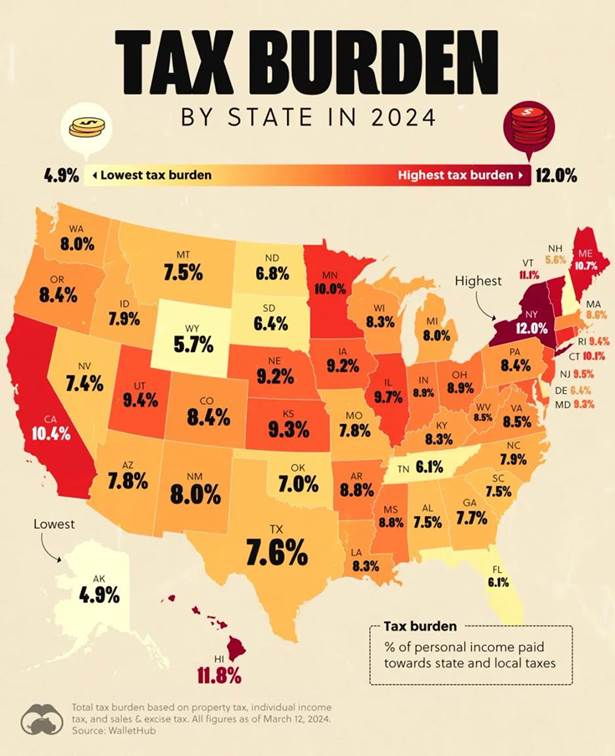
Important Planning Note: Estate tax exemptions do not avoid probate fees. Probate fees are assessed on any estate over $184,000 that does not have beneficiaries properly established through a trust or beneficiary agreement. 5 8. Will my baby or grandbaby get $1,000 from the government to invest in an index fund? Yes. As the parent or grandparent, you will want to take action to open this account at any reputable custodian (like Schwab or Fidelity) when it becomes available. The OBBBA introduces a federal savings initiative for new parents: every baby born between Jan 1, 2025 – Dec 31, 2028, in the U.S. receives a $1,000 government-funded seed contribution, deposited into a designated account, with parents allowed to contribute up to $5,000 per year post-tax. Planning Opportunities:
9. As a business owner, how can I increase deductions? Several provisions in the OBBBA are hoping to revitalize domestic business growth. For business owners and entrepreneurs, these create timely windows for reinvestment and strategic tax reductions. Key Provisions:
What this Means for You:
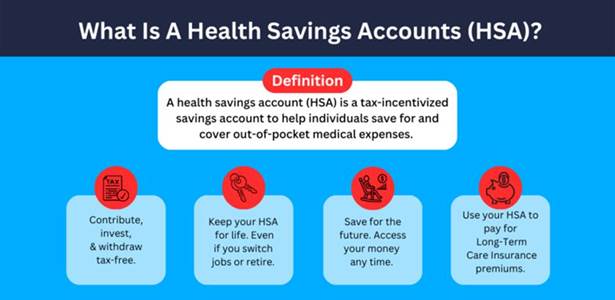
Advanced Tip: 10. Is ACA coverage changing? Yes, the bill introduces several reforms to the Affordable Care Act (ACA), including the end of automatic plan reenrollment, annual income and immigration verification starting in 2028, and the rollback of enhanced premium subsidies by 2027. It also shortens the open enrollment period, ending on December 15 each year (beginning in 2026). These changes may significantly impact retirees under 65 and self-employed individuals who rely on ACA subsidies, making proactive income and tax planning more important than ever. 5 11. Is eligibility to make tax-deductible contributions to a Health Savings Account increasing? Yes. Any Bronze or Catastrophic plan offered in the individual market on a state insurance exchange under the Affordable Care Act (ACA) will be considered “HSA-qualified” coverage. Under current law, the vast majority of such plans are not HSA compatible, meaning that an individual is not eligible to contribute to an HSA while covered by such a plan. This change is effective beginning January 1, 2026. Under the OBBBA, individuals who are still working and enrolled in Medicare Part A can now continue contributing to a Health Savings Account (HSA) as long as they’re also covered by a high-deductible health plan (HDHP) through an employer. This is a meaningful shift from previous rules, which prohibited HSA contributions once Medicare enrollment began. 5 12. Should I fund a 529 plan for my child or grandchild? Quite possibly. The expanded 529 plan rules now allow tax-free withdrawals for a broader range of K–12 educational expenses, including tutoring, test preparation, homeschool supplies, and special education services like speech and occupational therapy. This added flexibility makes 529 plans especially valuable for families supporting grandchildren or dependents with diverse learning needs. 5 13. What parts of the OBBBA are going to impact my kids and grandchildren? One of the most immediate changes is the repeal of the federal student loan forgiveness program. This means your children and grandchildren should no longer expect any broad-based federal loan cancellation under current law. Unless future relief is passed through Congress or upheld in court, borrowers will need to plan on repaying their full balances. 5 Three Final Tips:
With the updated tax brackets and increased standard deductions, especially the additional $6,000 deduction for those age 65+—you may be over-withholding on your IRA distributions. If you’d like, you can send us your 2024 tax return, and we’ll model how the new tax code could impact your liability.
The new 65+ deduction creates more room in your tax bracket, but when one spouse passes away, the tax bracket will most likely increase. Using this $12,000 deduction for long-term planning will save even more money on taxes down the road.
If you’re planning to purchase a new vehicle, this may be a suitable time to consider financing—even if interest rates are slightly higher. With today’s elevated savings and investment yields, your cash is likely earning more than in previous years. Additionally, under current law, interest on loans for new American-made vehicles is now tax-deductible, offering further incentive. Financing allows you to keep more of your money invested and working for you, potentially growing your wealth over time. We can help you calculate the potential tax savings and investment gains to determine which purchasing strategy best aligns with your overall financial plan. BOTTOM LINE There’s no one-size-fits-all answer to how the OBBBA impacts your financial life, but that’s exactly why your ProsperPlan exists. It’s designed to evolve with you, helping you stay intentional, informed, and aligned with what matters most. Fall Reviews are coming up in September and October, and appointment scheduling begins in August. This is a key opportunity to reflect, recalibrate, and ensure your plan is working in harmony with new legislation, your lifestyle, and your legacy goals. Set your appointment with my ProsperPlan co-founder, Chris Grellas, MSFA, CFP®, or me, directly or through our team, today. We’re here to help you live with greater clarity, confidence, and peace of mind. 1 OBBB Makes TCJA Tax Cuts Permanent, Adds New Deductions 2 No Tax on Social Security is a Reality in the One Big Beautiful Bill – The White House 5 The One Big Beautiful Bill Act | Creative Planning
Your Team at ProsperPlan Wealth, Lauren M. Williams, CFP®, CRPC®, MBA |
Your Essential Big Beautiful Bill Questions Answered

Lauren M. Williams, CFP®, CRPC®, MBA
Lauren Williams, CFP®, CRPC®, MBA, is the co-founder of ProsperPlan Wealth and a fiduciary wealth advisor with nearly two decades of experience. She works with families, business owners, and healthcare professionals on retirement, tax strategies, and the challenges of multi-generational wealth.


PROSPERPLAN NEWS AND RESOURCES
Hear From Lauren and Chris
News from the ProsperPlan world of financial planning, investing, client relationships, and current events.
- Categories: Financial Planning
Insights
